
01
Learn by doing
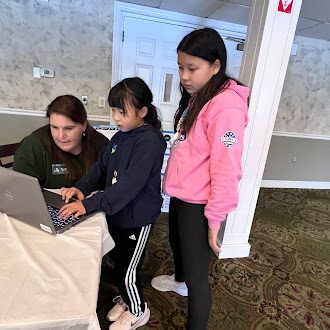
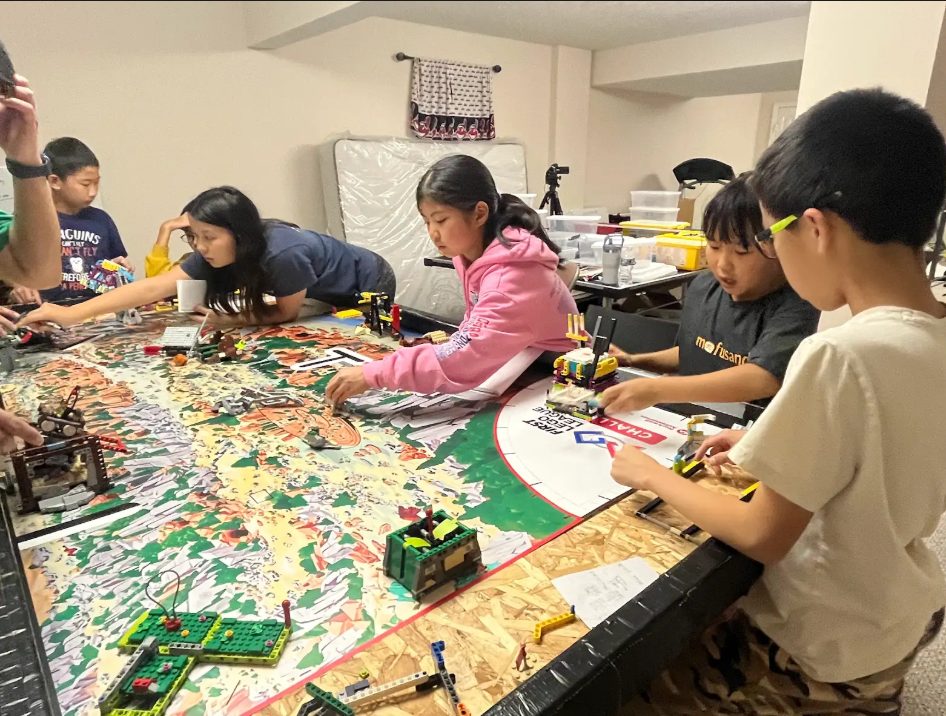
Nothing is understood until it has been built, broken and rebuilt. Our students learn from the machine in front of them, not from a slide about it.
We are not really in the business of building robots. We are in the business of building the people who build them.
A robot is the most honest teacher a child will ever have. It does not care how clever the idea sounded, or how confident the student was when they typed the code. It simply does exactly what it was told, and shows the result. That single fact - that reality answers back, immediately and without judgement - is what turns a nervous beginner into an engineer.
So we hand our students hard problems and the freedom to be wrong about them. We ask them to guess, to measure, to be surprised, and to try again. Curiosity is the spark; iteration is the engine; and the moment a student who once said "I am not a maths person" is on the floor at midnight arguing about gear ratios, the work is already done.
Nothing is understood until it has been built, broken and rebuilt. Our students learn from the machine in front of them, not from a slide about it.
Interest cannot be assigned, only ignited. We protect the questions students bring to the table, because a self-directed learner outruns a well-instructed one every time.
Two designs, one test, real numbers. We teach students to change their minds when the data says so - the rarest and most valuable habit we can give them.
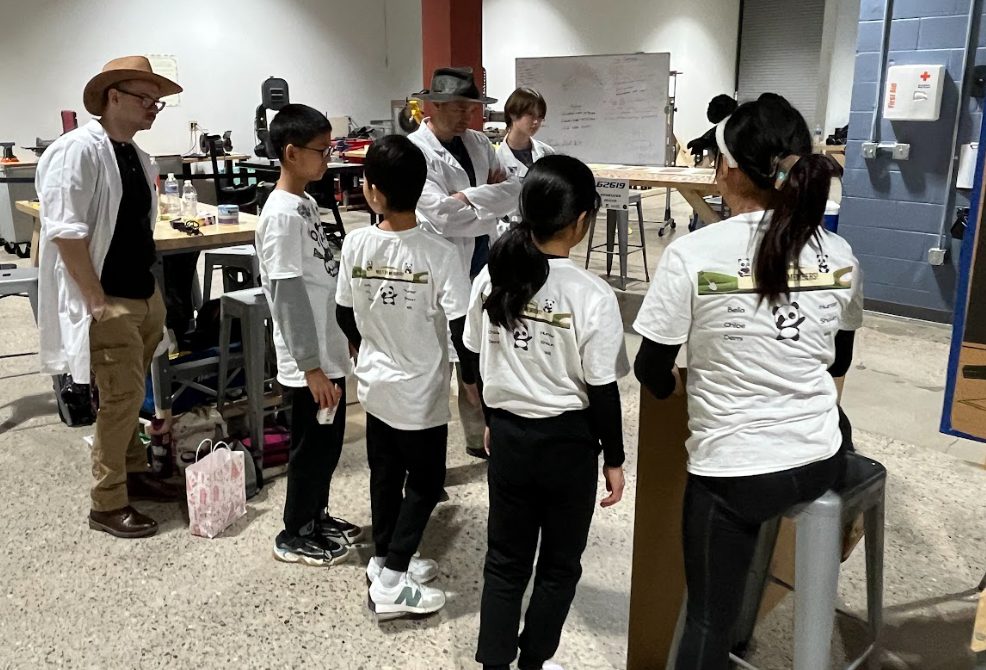
Every student writes code, turns a screwdriver and speaks to judges. No spectators, no specialists too early, no one left holding the clipboard.
A prototype that fails on Tuesday saved a robot that would have failed at competition. We celebrate the failure that arrived in time to be useful.
We ask who a design is for and who it might harm. Our students teach younger children, consult real experts, and check their assumptions before they publish.
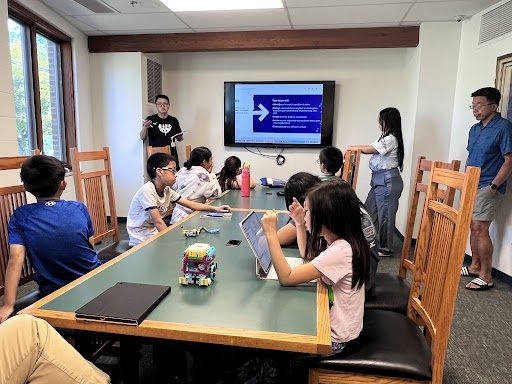
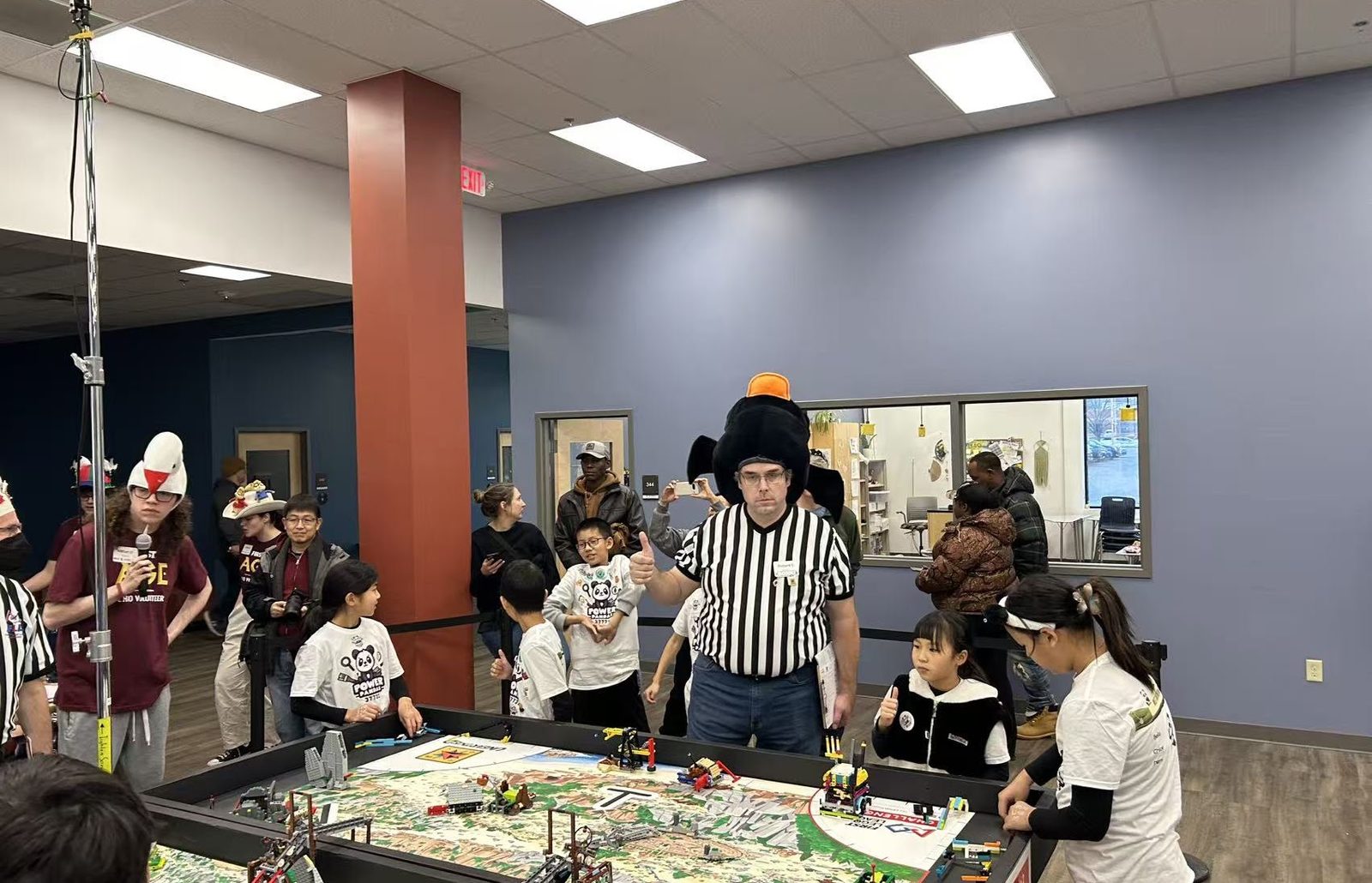
The children in our build space will spend their adult lives alongside machines that perceive, decide and learn. We would like them to meet that world as authors rather than audience - as people who know how these systems work, who ask what they are for and whom they serve, and who are not afraid to build better ones. That is the future we are assembling here, one prototype at a time.